
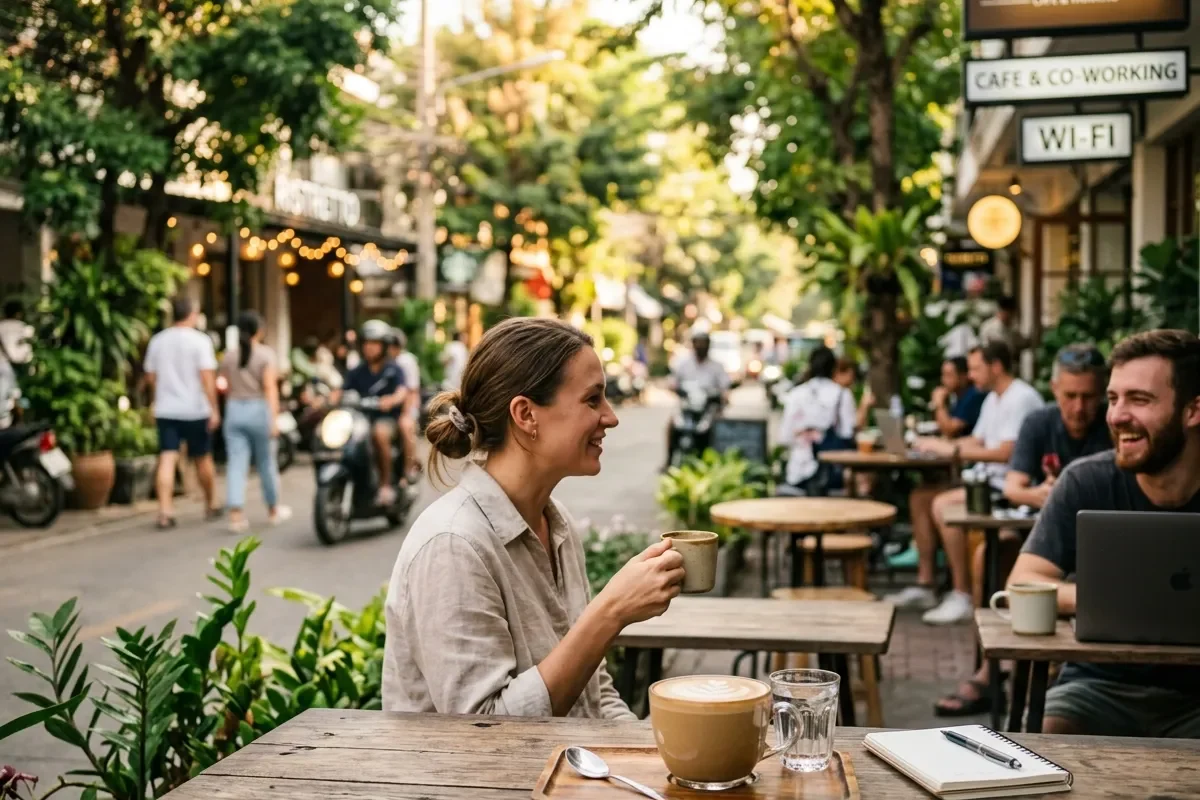
The best area to stay in Chiang Mai depends entirely on what you’re here for — and this guide doesn’t pretend otherwise. Short trip or long stay, temples or coworking, budget guesthouses or design serviced apartments: every neighbourhood is covered honestly here.
Chiang Mai is one of those cities where choosing the wrong area doesn’t just affect your comfort — it shapes your entire experience. Finding the best area to stay in Chiang Mai means understanding what the Old City, Nimman, and Santitham each offer at different price points and for different types of traveller.
This guide covers every major neighbourhood worth considering. Not a copy-paste list of hotel names — a real breakdown of what each area feels like to live in or visit, who it suits, and what you’ll actually pay.
If you’re still deciding which is the best area to stay in Chiang Mai for your trip, the comparison table further down cuts straight to it. If you already know which neighbourhood you’re leaning toward, jump straight there.
Why Where You Stay in Chiang Mai Matters
Chiang Mai is not a small city, but it is a walkable one — in patches. The moat that surrounds the Old City is the natural anchor point most visitors orient around, but several distinct neighbourhoods have grown up around and beyond it, each with a completely different atmosphere.
The best area to stay in Chiang Mai for a first-time visitor spending four days seeing temples is not the same as the best area for a remote worker on a three-month stay. And both of those differ from what suits a retiree looking for a quiet long-term base.
Getting this wrong is expensive. Choosing the best area to stay in Chiang Mai for your specific needs means either paying for convenience you’ll actually use, or avoiding transport costs that eat into your budget. Understanding the Chiang Mai neighborhoods takes about five minutes — this guide gives you that without the filler.
“The best area to stay in Chiang Mai is not a single answer. It’s the neighbourhood that matches the pace, budget, and purpose of your trip — and they differ more than most guides admit.”
The Old City
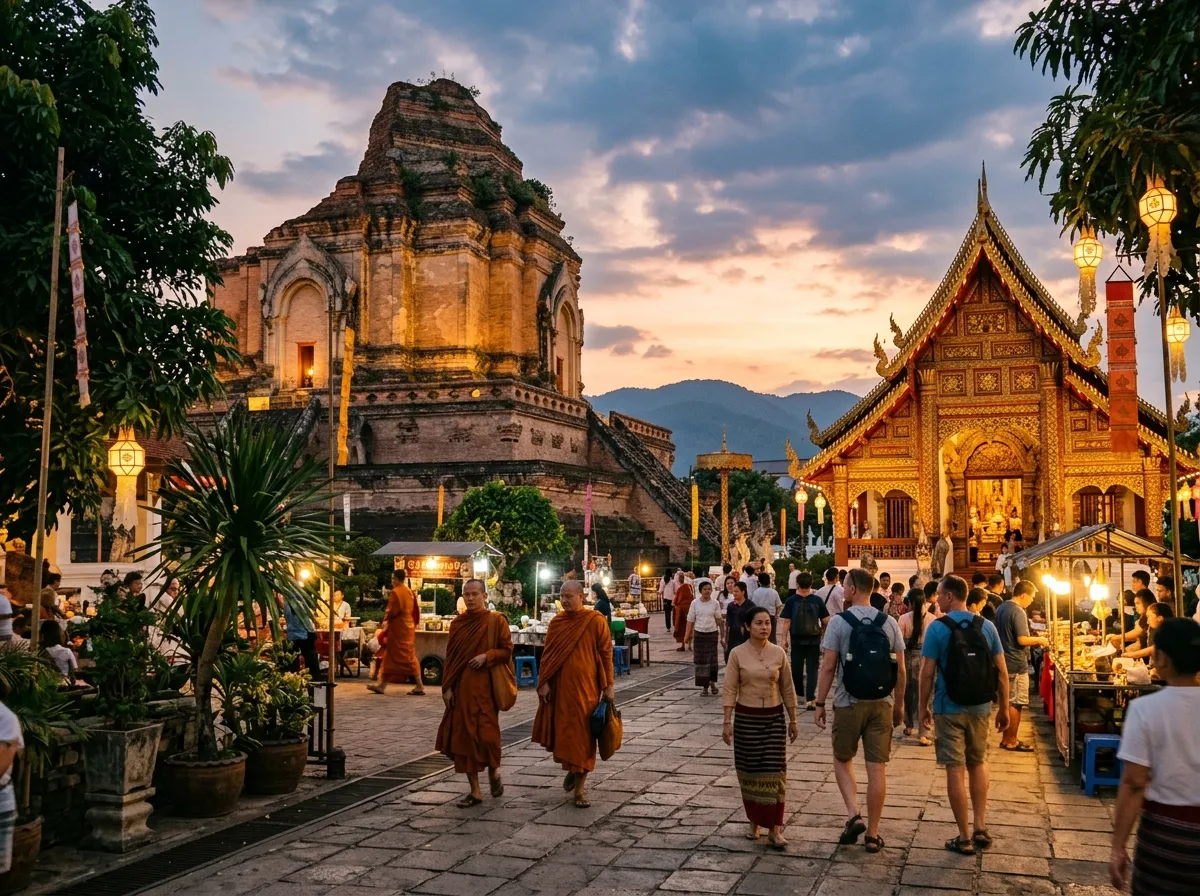
The Old City is the geographic and historical heart of Chiang Mai, enclosed by a square moat and the remains of the original city walls. It contains more temples per square kilometre than anywhere else in Thailand — over 30 within the moat alone, including Wat Phra Singh and Wat Chedi Luang.
What it’s like to stay here
In the early morning, before the day-trippers arrive, the Old City is genuinely beautiful — monks collecting alms, market stalls opening, tuk-tuks not yet in full noise. By midday, the tourist footprint is more visible. The main roads fill with rental scooters and songthaews.
Accommodation skews heavily toward guesthouses, boutique hotels, and heritage properties rather than modern condos. If you want atmosphere and walkability above all else, this is where you want to be. If you want a modern apartment with fast internet and a gym, you won’t find it inside the moat.
Who it suits — and who it doesn’t
The Old City is ideal for first-time visitors, travellers on shorter trips, and anyone who prioritises atmosphere over convenience. It’s one of the best areas to stay in Chiang Mai for budget travellers — guesthouses here are some of the most characterful in the city.
It is not the best area to stay in Chiang Mai for long-term residents. Noise from street vendors, tuk-tuks, and the weekend walking streets (Saturday on Wualai, Sunday on Ratchadamnoen) makes sleeping in difficult. Modern apartment-style rentals are limited.
Nimman (Nimmanhaemin)
Nimmanhaemin Road — almost always shortened to Nimman — is Chiang Mai’s most internationally recognised neighbourhood. It’s where the city’s coffee culture, boutique hotels, coworking spaces, and the Maya Mall shopping centre all converge.
What it’s like to stay here
Nimman is polished. The streets are tree-lined, the cafés are photogenic, and the foot traffic is a mix of Thai university students (Chiang Mai University borders the area), expats, digital nomads, and visitors who’ve done their research.
It’s also the area that has changed most in the past five years. Some of the character that made it interesting has been replaced by a more commercial, brand-led version of itself. That said, it remains the single most convenient base for remote workers — coworking spaces, fast internet, and late-night food options are all dense here.
Standout features
Walking distance from Chiang Mai University and the Nimman Art & Design promenade. Maya Mall for groceries, cinema, and air-conditioned refuge. One Nimman complex for restaurants and weekend markets. Multiple coworking spaces within 10 minutes on foot.
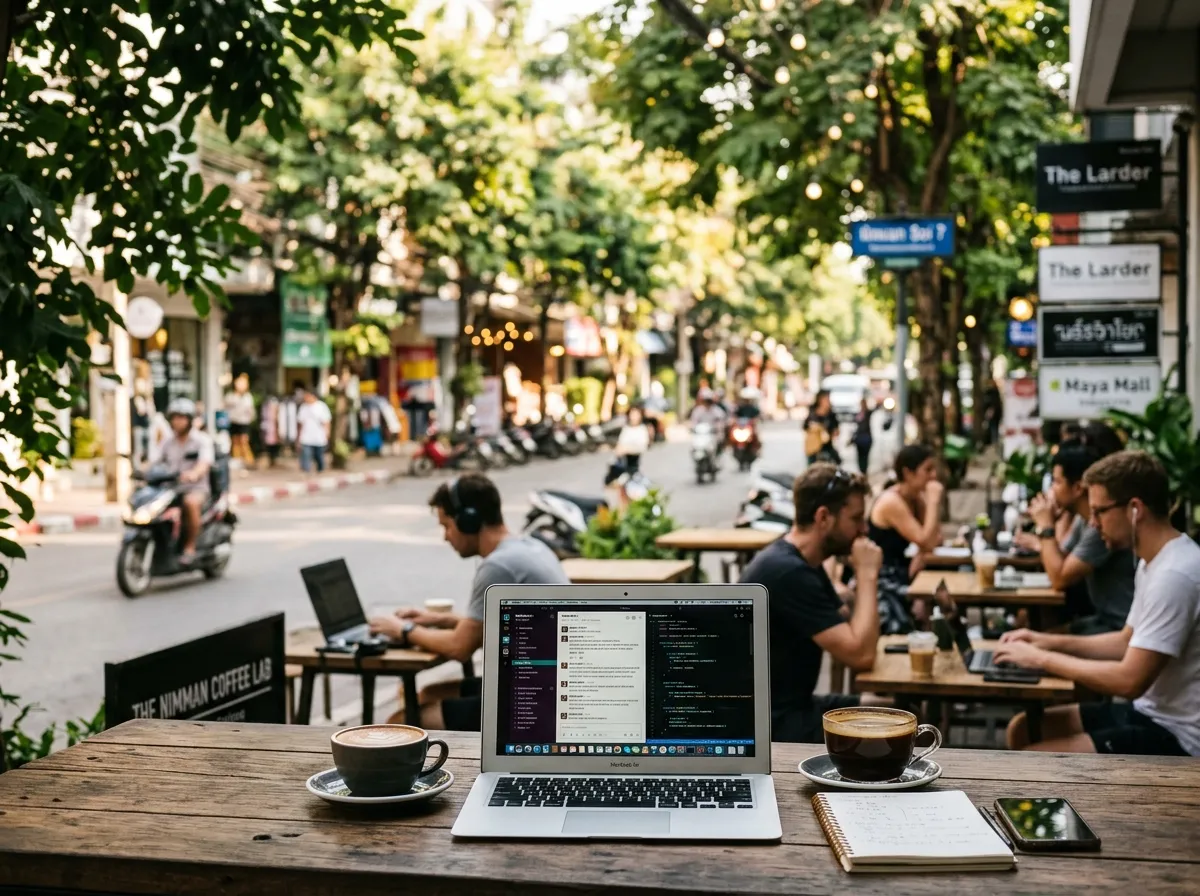
Nimman is the best area to stay in Chiang Mai for digital nomads — and it’s not a close comparison. For anyone working remotely, this is the best area to stay in Chiang Mai: the neighbourhood has the highest density of coworking spaces in the city, reliable fast internet, and a social scene built around the expat and remote-worker community.
Santitham
Santitham sits just north of the Old City moat and is the neighbourhood most experienced Chiang Mai residents will point to when asked where to actually live. It doesn’t appear on most tourist radar — which is exactly why it works.
What it’s like to stay here
Santitham is a working Thai neighbourhood with a growing expat undercurrent. The streets have fresh markets, local restaurants, hardware shops, and the kind of daily rhythm that Nimman traded away some time ago. Rent is noticeably lower than Nimman for comparable space.
In recent years, a cluster of excellent coffee shops, wine bars, and small restaurants has appeared in the streets just north of the moat — giving Santitham a low-key social scene without the tourist density of the Old City or the Instagram saturation of Nimman.
The Nimman vs Old City vs Santitham question
If you’re working through the Nimman vs Old City vs Santitham comparison to find the best area to stay in Chiang Mai, Santitham is the answer most long-term residents land on. It’s local, affordable, residential, and the preference of many expats once they’ve outgrown paying Nimman prices. It’s also well-positioned for families — quieter streets, local markets, and close to international schools to the north.
Chang Klan & Night Bazaar Area
Chang Klan Road runs along the eastern edge of the Old City moat and is home to the Night Bazaar — one of Chiang Mai’s most well-known evening markets. The area is dense with mid-range hotels, massage shops, restaurants, and souvenir stalls.
This is Chiang Mai’s most conventionally tourist-heavy zone. Hotels here are plentiful and often represent good value for the standard offered — three- and four-star properties with pools, breakfast included, and central locations. The area is loud at night and not particularly charming during the day.
Chang Klan is a solid choice for short-stay tourists who want a central, comfortable hotel near the markets. However, it is not the best area to stay in Chiang Mai for long-term residents or anyone seeking a local feel.
Hang Dong & the Southern Suburbs
South of the city, Hang Dong and the surrounding villages represent a different version of Chiang Mai living — slower, greener, and significantly cheaper. This is where many long-term expats and retirees end up after they’ve grown tired of city-centre pricing.
Hang Dong feels more like rural Thailand than a city neighbourhood. Houses rather than condos, land rather than floor space, and a pace of life that’s genuinely unhurried. The area has good access to the Hang Dong Road antique market, several international supermarkets, and is close to Promenada Resort Mall.
The trade-off is distance and dependence on transport. Getting to the Old City or Nimman takes 20–40 minutes depending on traffic. Without a scooter or car, daily life here is difficult. For retirees and families, Hang Dong can be the best area to stay in Chiang Mai — but only once you have your own wheels and have already established life in the city.
Mae Rim & the Mountain Fringe
North of the city, Mae Rim and the road toward Chiang Dao offer a completely different Chiang Mai experience — jungle villas, mountain views, cooler temperatures, and a significant distance from the city’s noise.
Mae Rim is primarily a resort and villa zone. It suits weekend escapes, yoga and wellness retreats, and visitors who want the Chiang Mai region without the urban density. Some genuinely exceptional properties sit up here, with mountain views, private pools, and elevated gardens.
Daily life without a car or scooter is not viable in Mae Rim. Markets, hospitals, and coworking spaces are all a drive away. For a retreat-style stay, Mae Rim is the best area to stay in Chiang Mai — but it’s not a practical base for exploring the city or working remotely day-to-day.
Chiang Mai Neighbourhood Comparison Table
Still deciding on the best area to stay in Chiang Mai? This table compares all six neighbourhoods across the factors that actually matter — atmosphere, rent, and whether you need your own transport.
| Neighbourhood | Best for | Atmosphere | 1-bed rent/month | Own transport? |
|---|---|---|---|---|
| Old City | First visits, short trips | Historic, atmospheric, noisy | 8,000–14,000 THB | Not needed |
| Nimman | Digital nomads, remote workers | Modern, social, commercial | 12,000–22,000 THB | Not needed |
| Santitham | Long-stay expats, retirees | Local, residential, quiet | 7,000–13,000 THB | Not needed |
| Chang Klan | Mid-range tourists | Tourist-dense, convenient | Hotels only | Not needed |
| Hang Dong | Retirees, families | Rural, spacious, slow | 10,000–30,000 THB | Essential |
| Mae Rim | Wellness, couples, retreats | Jungle, scenic, isolated | 20,000–50,000 THB | Essential |
Who Each Area Suits — How to Choose
The best area to stay in Chiang Mai for your trip comes down to three questions: how long are you staying, what do you need to do daily, and what matters most when you open your door in the morning.
The best area to stay in Chiang Mai for a first visit is the Old City or Chang Klan. Walking distance to temples, good food at every price point, and the character of the city is immediate.
The best area to stay in Chiang Mai for remote workers is Nimman. The coworking density and modern accommodation justify the premium. Santitham is the alternative if you want lower rent.
The best area to stay in Chiang Mai long-term is Santitham, then Hang Dong if space matters more than convenience. The Old City and Nimman lose their shine when you’re paying city-centre prices long-term.
The best area to stay in Chiang Mai for families is Santitham or Hang Dong. The Hang Dong corridor has good international school access and the space-to-cost ratio is hard to beat.
The best area to stay in Chiang Mai for a wellness trip is Mae Rim or a resort property in the northern fringe. Private pools, mountain views, and cooler temperatures — bring a car or scooter.
The best area to stay in Chiang Mai on a budget is the Old City for short stays, Santitham for longer ones. Nimman is the most expensive residential area and the wrong choice if cost is the priority.
Getting Around Chiang Mai
Chiang Mai is navigable without a vehicle if you stay in the central areas — and knowing how to get around is part of choosing the best area to stay in Chiang Mai for your needs. Transport options are more limited than Bangkok, but here’s what actually works.
Grab is the most reliable option for point-to-point travel. It works well throughout the city and removes the need to negotiate fares. Expect 50–150 THB for most central journeys.
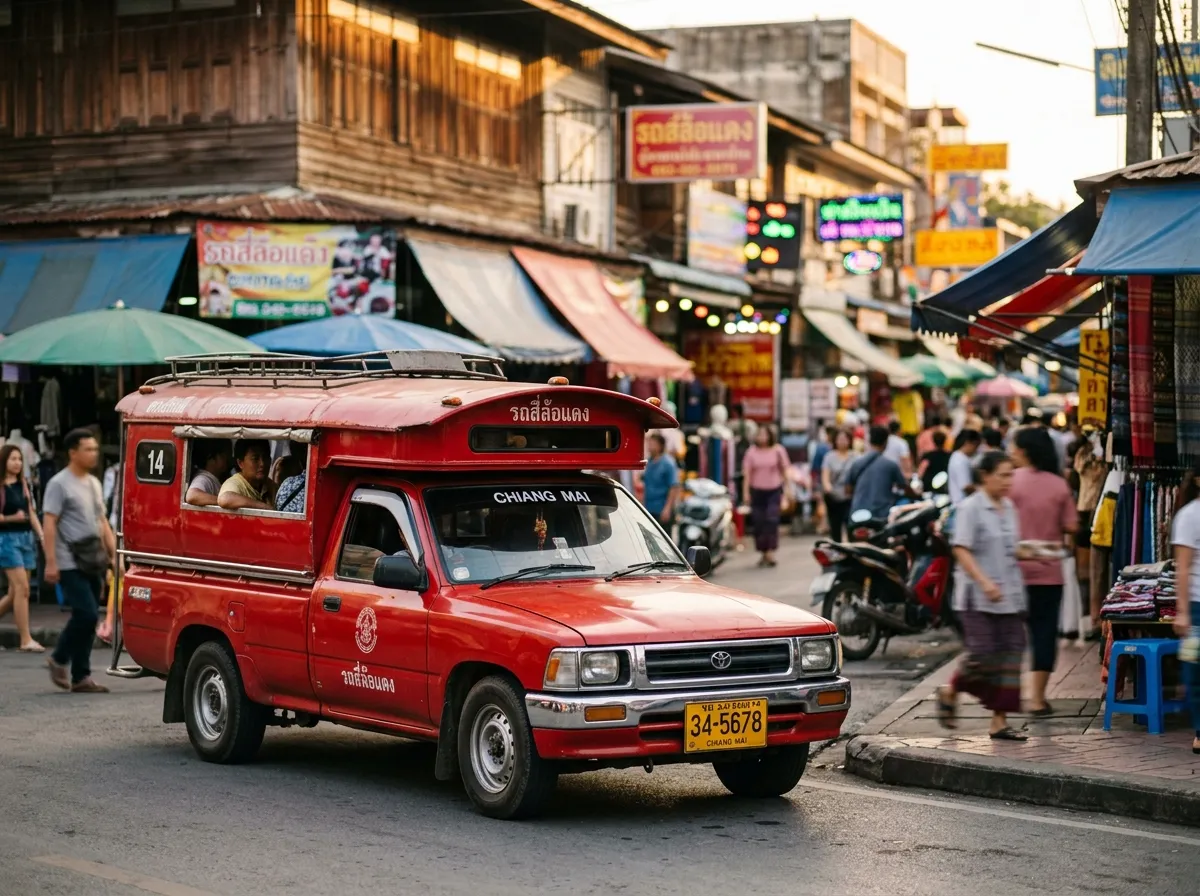
Red Songthaews are the iconic red pickup trucks serving as shared taxis along informal routes. Cheaper than Grab (20–50 THB per person for shared rides) but require some knowledge of where they go. Good for regular commutes once you know the routes.
Scooter rental is the most practical option for exploring beyond the central areas. Daily rental runs 150–250 THB; monthly rates around 2,500–4,000 THB. An international driving licence is required — get one before you arrive.
From CNX airport: Grab to most central areas costs 150–220 THB and takes 20–35 minutes. The airport is well-positioned between the Old City and Nimman — neither area is more than 30 minutes away under normal traffic.
Cost of Living Snapshot
Cost is one of the biggest factors when choosing the best area to stay in Chiang Mai for a longer trip. The city remains one of the most affordable in Southeast Asia — and the difference between Nimman and Santitham rents alone can save you thousands of baht per month. These figures reflect comfortable everyday living — not backpacker minimums. According to Numbeo’s cost of living data for Chiang Mai, the city consistently ranks among the cheapest major cities in the region for expats.
At current exchange rates, a comfortable mid-range lifestyle in Chiang Mai runs approximately USD 800–1,600 per month — all-in, including rent, food, transport, and leisure.
The Tourism Authority of Thailand provides official visitor statistics and destination facts for Chiang Mai at tourismthailand.org. For visa and entry requirements, see the Thai Embassy website directly — rules change, and the official source is always most current.
Verified long-term and short-term rentals across all Chiang Mai neighbourhoods — filtered by area, budget, and length of stay.
FAQ — Best Area to Stay in Chiang Mai
Yes — and the answer is the same whether you’re coming for three days or three months. Chiang Mai has a combination of cultural richness, modern convenience, natural surroundings, and cost of living that very few cities in the world match at this price point. Finding the best area to stay in Chiang Mai is the key decision that shapes the rest of your experience.
For short trips, the temples, markets, food, and mountain day trips alone justify the visit. For longer stays, the infrastructure for remote work and the sheer livability of the city make it one of the most popular long-term bases in Southeast Asia.
The best area to stay in Chiang Mai for a first visit is the Old City. Staying inside or just outside the moat puts you within walking distance of the majority of Chiang Mai’s main temples, the Sunday Walking Street, and a wide range of restaurants and guesthouses at every price point.
If you prefer a more modern and comfortable base, Nimman is the next best area to stay in Chiang Mai for first-timers — about 15 minutes from the Old City by Grab, close enough to visit daily but quieter and better serviced.
These three neighbourhoods represent the three most popular answers when people ask about the best area to stay in Chiang Mai. The Old City is historic, walkable, and atmospheric — best for short stays. Nimman is modern, social, and convenience-oriented — best for remote workers. Santitham is local, affordable, and residential — the best area to stay in Chiang Mai for long-term expats once they’ve outgrown Nimman prices.
Under a week: Old City. Working remotely for a month: Nimman. Settling in for six months or more: Santitham.
November through February is the best time to visit — and also the most popular time to find the best area to stay in Chiang Mai, as accommodation books up quickly in peak season. Temperatures are cool (15–28°C), skies are clear, and the city is at its most comfortable for walking and outdoor activity.
March to May is hot season — temperatures regularly exceed 38°C and air quality can be poor due to agricultural burning in the surrounding hills. June through October is rainy season: lush and green, with afternoon showers most days, and significantly lower prices across the board.
Chiang Mai is consistently rated one of the safest cities in Southeast Asia for tourists and expats. Violent crime against visitors is rare. The main risks are traffic-related — scooter accidents are the most common cause of serious injury for tourists, so always wear a helmet and ride carefully.
Standard urban precautions apply: watch your belongings in crowded markets, don’t leave bags unattended, and be aware of common tourist traps around tuk-tuk “temple tours” that invariably end at a gem shop.
Cost is rarely a barrier when choosing the best area to stay in Chiang Mai. A comfortable monthly budget for a single person runs approximately 28,000–55,000 THB (USD 800–1,600), covering the gap between Santitham-level and Nimman-level rents.
Eating local food, renting a scooter instead of using Grab daily, and choosing Santitham over Nimman can bring that figure down to 20,000–25,000 THB without meaningfully sacrificing quality of life.
Yes. Most landlords and property managers in Chiang Mai accept cash payment in Thai Baht, and many are experienced in renting to foreign nationals. A Thai bank account makes transfers easier but is not a requirement for most rentals.
For longer leases (six months or more), having an account simplifies monthly transfers. Kasikorn Bank (KBank) and Bangkok Bank are the most accessible for foreigners to open accounts, typically requiring a passport, non-immigrant visa, and proof of address.
Grab is the simplest option — confirmed price before you get in the car, 150–220 THB to most central areas, 25–35 minutes travel time. Whichever is the best area to stay in Chiang Mai for your trip, the airport is well-positioned between the Old City and Nimman — neither is more than 30 minutes away.
Yes, and it’s increasingly popular as a family base. For families, the best area to stay in Chiang Mai long-term is typically Santitham or Hang Dong — both have good international school access, including Prem International School and Chiang Mai International School.
The main practical consideration for families is transport — having a car significantly widens the range of liveable areas and school options. Families with school-age children typically end up in Santitham, Hang Dong, or the northern fringe depending on school preference and budget.
The Old City offers the best area to stay in Chiang Mai for budget travellers, with guesthouses starting from 300–500 THB per night in a private room. The walking streets, temples, and main markets are all within walking distance, keeping transport costs close to zero.
Santitham is the best area for long-stay budget living — monthly rents start around 7,000 THB for a basic one-bedroom and the local food scene keeps daily costs low. Nimman is the most expensive residential area and is not the right choice if budget is the primary concern.
This depends on your nationality and the length of stay. Tourist visas typically allow stays of 30–60 days. For longer stays, options include the Thailand Privilege Visa, Long-Term Resident (LTR) Visa, Non-Immigrant visas (work, retirement, education), and tourist visa extensions.
Visa rules change. For accurate and current requirements, check the Thai Embassy website or the official Thai e-Visa portal before making plans. Don’t rely on blog posts — including this one — for current visa requirements.
Find Your Chiang Mai Property
Browse verified long-term and short-term rentals across every Chiang Mai neighbourhood — filtered by area, budget, and property type.
Browse Chiang Mai listings →This article is for informational purposes only. Visa regulations, rental costs, and area details change frequently. Always verify current visa rules with the Thai Immigration Bureau or the Thai Embassy in your country before making travel or relocation decisions. Costs and prices are approximate and subject to change. Stay in Thai does not provide legal or immigration advice.