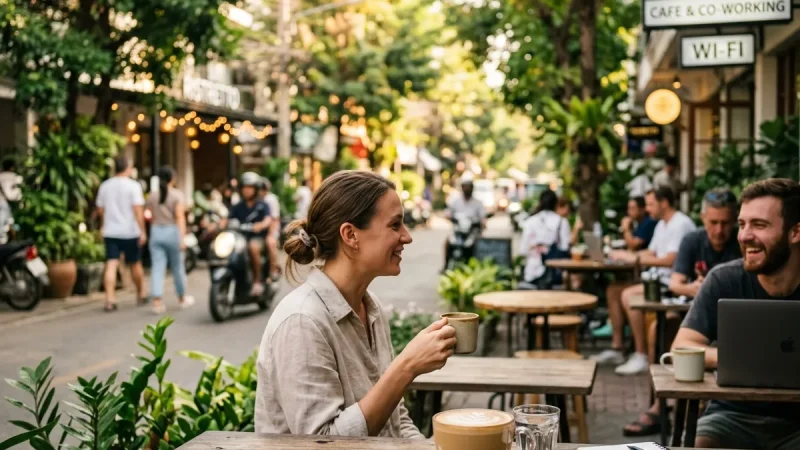
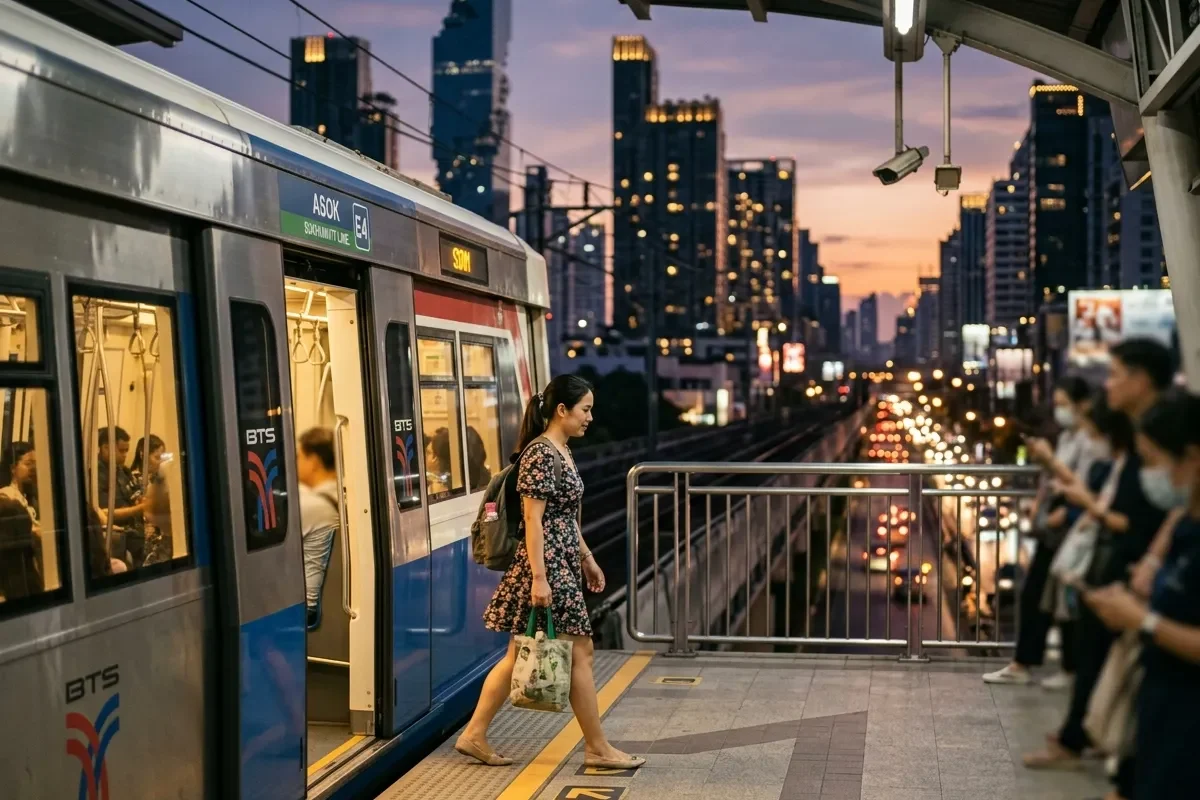
Where to stay in Bangkok for your first visit is the single decision that shapes everything else — how far you walk, how much time you lose to traffic, and whether the city feels manageable or overwhelming from the start.
Bangkok is enormous, and its neighbourhoods are genuinely different from each other. Sukhumvit and Silom are polished, BTS-connected, and built for people who don’t know the city yet. Ari has the local character the tourist-dense areas traded away years ago. The Riverside feels like an entirely different Bangkok altogether.
This guide explains where to stay in Bangkok for first-time visitors — every major area, who it actually suits, what you’ll pay, and what the photos don’t tell you. If you’re comparing specific neighbourhoods, the table cuts straight to it. If you’re already leaning somewhere, jump directly there.
One thing that cuts through all the noise: where to stay in Bangkok depends almost entirely on your relationship with the BTS Skytrain. Get rail access right and the city opens up. Get it wrong and you’ll spend your trip in traffic.
Why Where to Stay in Bangkok Matters More Than You Think
Bangkok is over 1,500 square kilometres with a population close to 12 million. Unlike most cities where any central neighbourhood is reachable in 20 minutes, Bangkok has genuine distance between its areas — and traffic that makes that distance feel longer. Where to stay in Bangkok for first-time visitors is not a minor detail. It determines how the whole trip feels.
Areas on the BTS Skytrain or MRT lines are vastly more liveable than equally priced areas without rail access. A 10km taxi journey can take 45 minutes in peak hours. Knowing where to stay in Bangkok means knowing which neighbourhood puts the rail network between you and everywhere you need to go.
Get it right and Bangkok is one of the most rewarding cities in the world. Get it wrong and you’ll spend your trip sitting in traffic wondering why everyone else seems to be having a better time.
“Where to stay in Bangkok for first-time visitors comes down to one thing: BTS access. Rail is not a convenience in Bangkok — it’s the difference between a trip that works and one that doesn’t.”
Sukhumvit
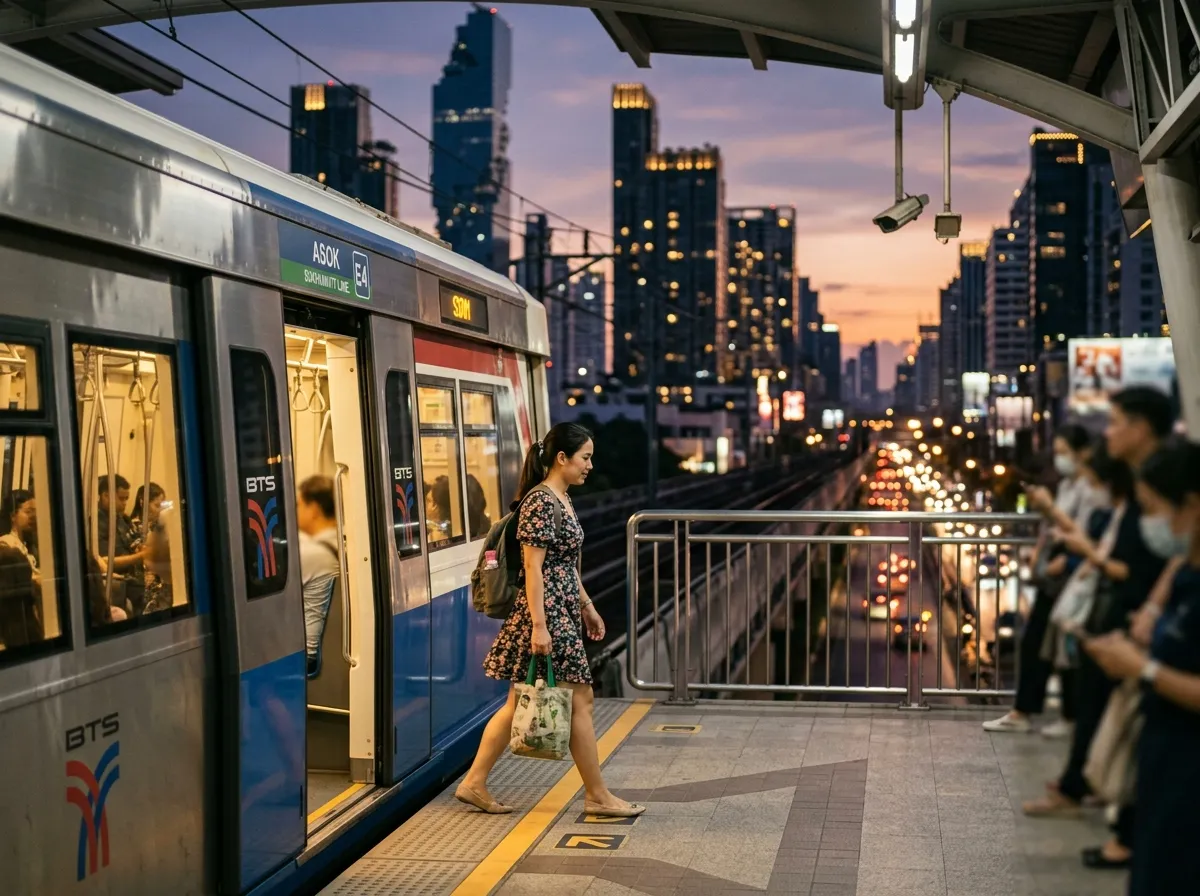
Sukhumvit Road stretches for kilometres through Bangkok’s east side and contains more hotels, serviced apartments, restaurants, and international services than anywhere else in the city. If you’re wondering where to stay in Bangkok for the first time, Sukhumvit is the default answer — and with good reason.
What it’s like to stay here
Sukhumvit is divided into numbered sois (side streets) that each have their own character. Lower Sukhumvit (Sois 1–21) is the most tourist-dense, with Nana and Asok BTS stations at its core. Mid Sukhumvit (Sois 21–55) is more residential and upmarket, anchored by Phrom Phong station and the EmQuartier and Emporium malls. Upper Sukhumvit (Sois 55+) transitions into the Thonglor and Ekkamai zones covered separately below.
The entire stretch is served by the BTS Skytrain, making Sukhumvit one of the most connected neighbourhoods in Bangkok. From Asok, you can reach Silom in 15 minutes and the airport in under an hour. That connectivity is exactly why Sukhumvit is where to stay in Bangkok when you’re visiting for the first time.
Who it suits — and who it doesn’t
Sukhumvit suits first-time visitors who want maximum convenience, expats on long stays who need access to international groceries and services, and remote workers who want fast internet and coworking options within walking distance. Where to stay in Bangkok on Sukhumvit for the best value is Phrom Phong or Asok — both BTS-adjacent with a wide range of accommodation at every price point.
It’s less suited to travellers who want to feel immersed in Thai daily life. Lower Sukhumvit in particular is heavily internationalised and can feel disconnected from the city beyond it.
Silom & Sathorn
Silom and Sathorn form Bangkok’s traditional business and financial district — a dense grid of office towers, embassies, upmarket hotels, and some of the city’s best restaurants. For anyone travelling on business or wanting Bangkok’s cultural core on their doorstep, Silom is where to stay in Bangkok.
What it’s like to stay here
Silom has a dual personality. By day it’s all suits, lunch crowds, and traffic. By night, Patpong Night Market appears and the area takes on a very different character. Sathorn, running parallel, is quieter and more residential — wide tree-lined streets, embassies, and some of the city’s best boutique hotels.
The area is served by both BTS (Sala Daeng) and MRT (Silom), making it one of the best-connected parts of the city. Lumpini Park — Bangkok’s largest green space — is a short walk from most Silom addresses. For anyone who values walkability and green space alongside city convenience, Silom and Sathorn are among the strongest answers to where to stay in Bangkok for anyone who values walkability and green space.
Who it suits — and who it doesn’t
Silom suits business travellers, couples who want a more refined stay, and anyone who wants proximity to Bangkok’s cultural attractions — the Grand Palace, Wat Pho, and the Chao Phraya are all accessible from here. It’s less suited to digital nomads who want a dense coworking scene or travellers primarily interested in nightlife and street food.
Ari
Ari sits on the BTS line north of central Bangkok and is consistently where experienced Bangkok expats end up once they’ve outgrown the tourist density of Sukhumvit. It’s where to stay in Bangkok for anyone who wants local character, walkable streets, and a genuine neighbourhood feel — without sacrificing BTS access.
What it’s like to stay here
Ari feels like a different city from lower Sukhumvit. The streets are lined with independent cafés, local restaurants, small boutiques, and the kind of daily rhythm that hasn’t been completely replaced by international brands. It’s popular with Thai professionals, young creatives, and long-stay expats who’ve made Bangkok their home rather than their hotel.
The BTS station (Ari) puts central Bangkok — Siam, Silom, Asok — within 15–20 minutes. That combination of local atmosphere and rail connectivity makes Ari a compelling answer for where to stay in Bangkok on longer visits where quality of daily life matters as much as convenience.
Who it suits — and who it doesn’t
Ari is where to stay in Bangkok for expats on stays of one month or longer, remote workers who want a quieter environment than Sukhumvit, and couples who want to feel like they actually live in Bangkok rather than visiting it. It’s less suited to first-time visitors who want to be close to the main tourist attractions, or anyone primarily focused on nightlife.
Ekkamai & Thonglor
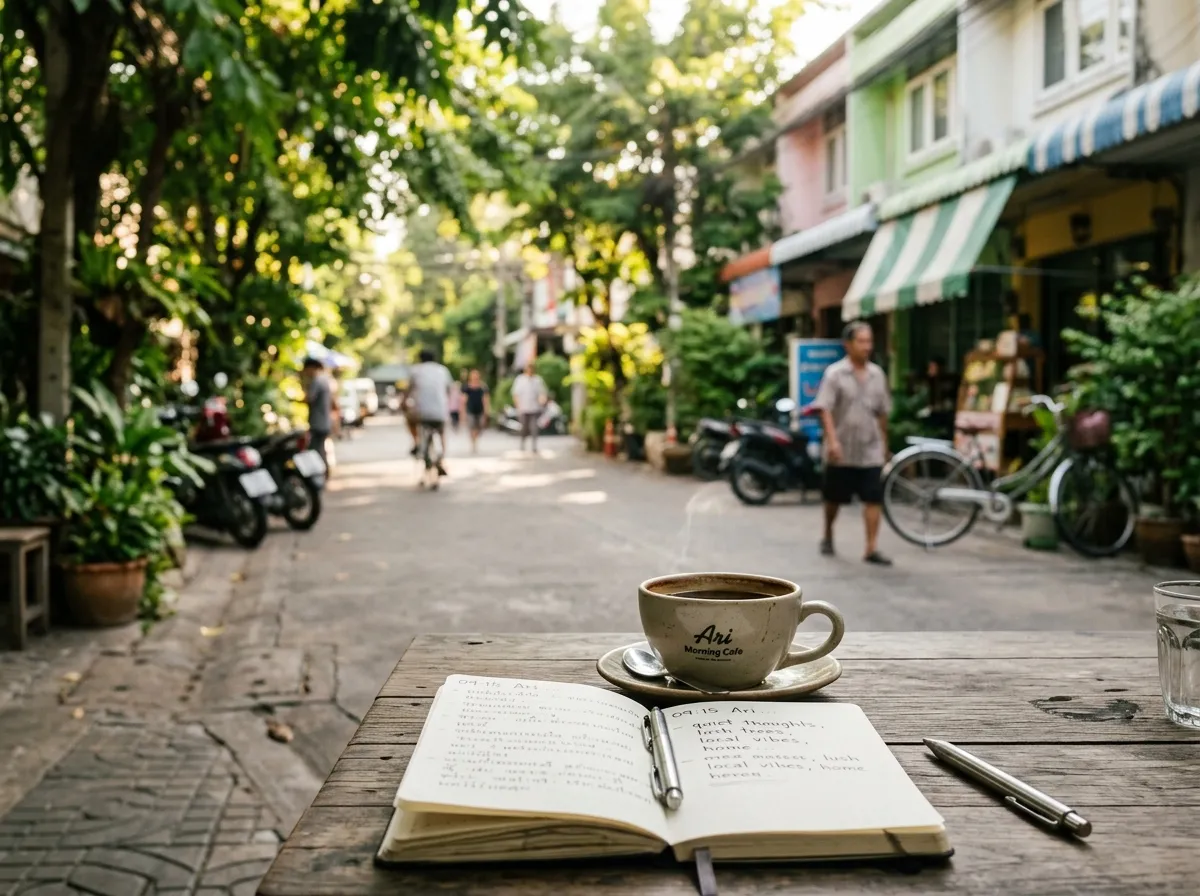
Ekkamai and Thonglor (Sukhumvit Sois 63 and 55 respectively) represent Bangkok’s most fashionable residential and dining corridor. These two adjoining areas are where the city’s social life concentrates — the best restaurants, rooftop bars, boutique hotels, and the most photogenic streets in Bangkok are all within walking distance of each other.
What it’s like to stay here
Thonglor is polished and expensive. The soi is lined with high-end restaurants, coffee shops, design hotels, and late-night venues that fill with Bangkok’s young professional crowd after 10pm. Ekkamai, directly adjacent, has a slightly more bohemian edge — art spaces, independent shops, and a night market that draws a local crowd. Together they are where to stay in Bangkok for anyone who wants to experience the city’s food and nightlife at its peak.
Both areas are served by BTS (Thonglor and Ekkamai stations), though many of the best spots are a motorbike or Grab ride off the main road. Rents are among the highest in the city outside of the central CBD.
Who it suits — and who it doesn’t
Ekkamai and Thonglor are where to stay in Bangkok for travellers who prioritise dining and nightlife, couples on short trips who want a stylish base, and anyone who’s visited Bangkok before and wants to explore beyond the tourist circuit. Budget travellers will find rents and daily costs significantly higher here than elsewhere.
Riverside & Rattanakosin
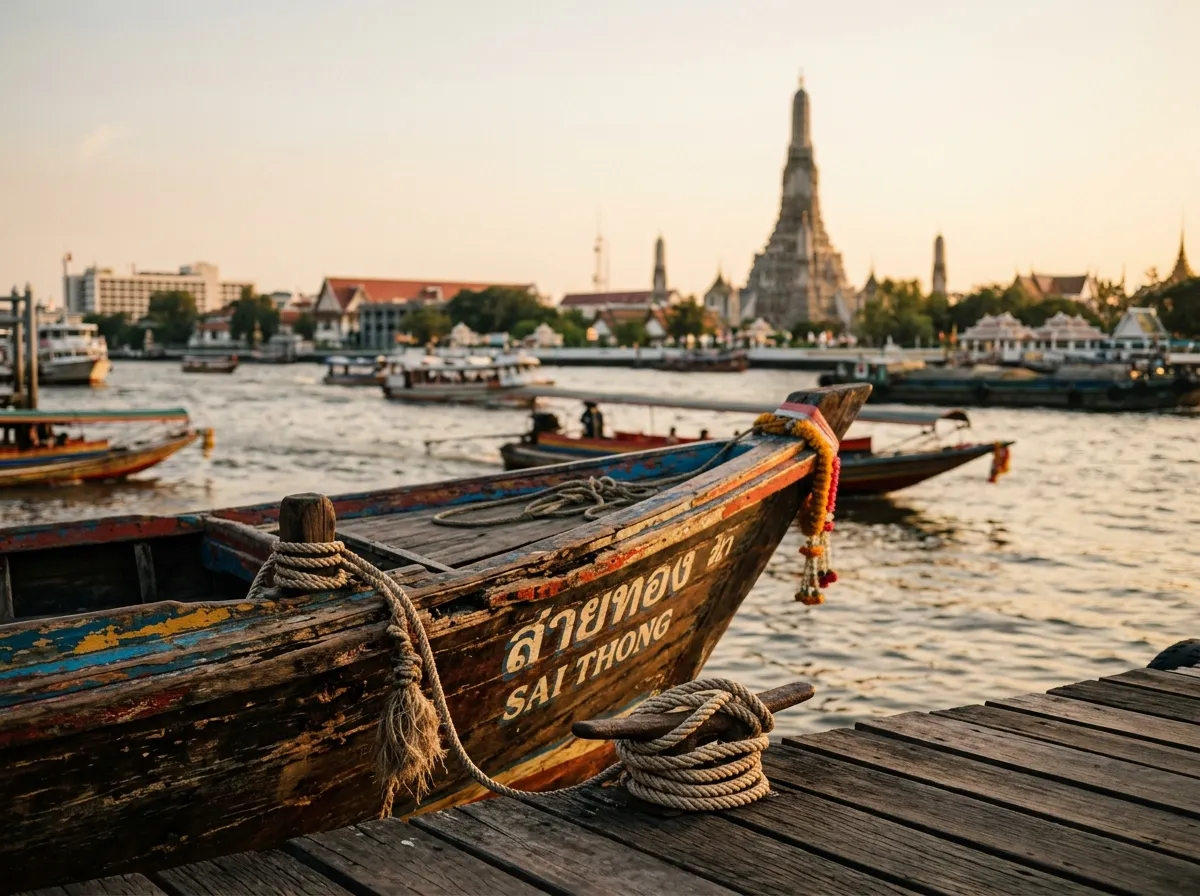
The Riverside and Rattanakosin (Old City) area along the Chao Phraya River is where Bangkok’s history is most visible — and where the city feels most unlike the glass-and-concrete version of itself everywhere else. For anyone visiting Bangkok for cultural landmarks, this is where to stay in Bangkok.
What it’s like to stay here
The Grand Palace, Wat Pho, Wat Arun, the National Museum, and the city’s most famous temple complex are all within walking distance of each other in Rattanakosin. The riverside hotels range from legendary (Mandarin Oriental, Peninsula) to excellent mid-range guesthouses that put you right on the river.
The area is largely disconnected from the BTS and MRT network — the nearest BTS stations are a significant Grab ride away. Getting around requires the Chao Phraya Express Boat, tuk-tuks, or taxis. This is where to stay in Bangkok for a short cultural trip, but not ideal for longer stays where daily transport becomes a consideration.
Who it suits — and who it doesn’t
Riverside and Rattanakosin are best for first-time visitors focused on cultural landmarks, couples seeking a romantic riverside setting, and travellers on short trips (2–4 days) who want maximum proximity to the main attractions. It’s not where to stay in Bangkok for remote workers or long-stay residents, who will find the lack of rail access and limited modern amenities frustrating over time.
On Nut & Bearing
On Nut (Sukhumvit Soi 77) is where to stay in Bangkok for anyone who wants BTS access and a central location without paying Sukhumvit prices. It sits on the same BTS line as Asok and Phrom Phong but rents at significantly less — making it one of the most practical choices for long-stay visitors on a budget.
What it’s like to stay here
On Nut has shed its “cheap end of Sukhumvit” reputation over the past decade. Several excellent condominiums, a growing café scene, and the Tesco-Lotus megastore have made it genuinely liveable rather than just affordable. The BTS station puts central Bangkok within 15–20 minutes. Bearing, two stations further south, is quieter and even cheaper — though the surrounding area is less developed.
For digital nomads and long-stay expats who need reliable BTS access but don’t need to be in the heart of the action, On Nut is where to stay in Bangkok on a value basis. You get 70% of the Sukhumvit lifestyle at 50–60% of the price.
Who it suits — and who it doesn’t
On Nut is where to stay in Bangkok for budget-conscious long-stay visitors, remote workers who need BTS access, and digital nomads who want comfortable accommodation without paying Phrom Phong prices. It’s not ideal for travellers who want to be close to the main tourist attractions or Bangkok’s nightlife scene.
Lat Phrao & Ratchada
Lat Phrao and Ratchadaphisek (Ratchada) run through Bangkok’s north-central zone and are where to stay in Bangkok for long-term residents who prioritise space, value, and local atmosphere over proximity to tourist attractions. These are working Bangkok neighbourhoods — large malls, local markets, Thai restaurants, and relatively affordable condominiums on the MRT line.
What it’s like to stay here
Lat Phrao has some of Bangkok’s best local food — the street food and wet market scene here is significantly more authentic than anything in Sukhumvit. The area is served by the MRT (Lat Phrao stations) and increasingly by the Orange Line extension. Train Town Market and the Jodd Fairs night market at Ratchada are among the city’s most popular local markets, drawing Thai families rather than tourists.
For anyone staying three months or longer, Lat Phrao and Ratchada are where to stay in Bangkok on a value-for-space basis — larger apartments at lower rents than comparable Sukhumvit properties, with good MRT access and a genuinely Thai daily rhythm.
Who it suits — and who it doesn’t
Lat Phrao suits long-term expats and residents who want local life without tourist pricing, families who need space and value, and anyone who’s established in Bangkok and wants to reduce costs without leaving the city. It’s not where to stay in Bangkok for first-time visitors or short stays — the lack of obvious tourist infrastructure means it works best once you know the city.
Bangkok Neighbourhood Comparison Table
Still deciding where to stay in Bangkok? This table compares all seven neighbourhoods across the factors that actually matter.
| Neighbourhood | Best for | Atmosphere | 1-bed rent/month | Rail access |
|---|---|---|---|---|
| Sukhumvit | First visits, expats, long stays | International, convenient, busy | 15,000–45,000 THB | Excellent |
| Silom & Sathorn | Business, culture, couples | Polished, walkable, refined | 18,000–50,000 THB | Excellent |
| Ari | Long-stay expats, locals | Quiet, local, café culture | 12,000–28,000 THB | Good |
| Ekkamai & Thonglor | Dining, nightlife, style | Fashionable, social, expensive | 20,000–55,000 THB | Good |
| Riverside & Rattanakosin | Culture, first visits, romance | Historic, atmospheric, tourist | Hotels only | Limited |
| On Nut & Bearing | Budget, value, long stays | Practical, local, improving | 8,000–18,000 THB | Good |
| Lat Phrao & Ratchada | Long-term residents, families | Local, spacious, authentic | 9,000–22,000 THB | Good |
Who Each Area Suits — Where to Stay in Bangkok by Trip Type
Where to stay in Bangkok depends on length of stay, daily priorities, and how much the rail network matters to you. Here’s the honest breakdown.
Where to stay in Bangkok for a first visit: mid-Sukhumvit (Phrom Phong or Asok) or Silom. BTS access, wide accommodation choice, and easy reach of major attractions. Don’t overthink it.
Where to stay in Bangkok for remote workers: Sukhumvit or Ari. Ari for a quieter, more local environment; Sukhumvit for maximum amenities. Both have excellent coworking options and fast internet.
Where to stay in Bangkok long-term: Ari, On Nut, or Lat Phrao. Ari for atmosphere and community; On Nut for BTS value; Lat Phrao for space and local life at lower cost.
Where to stay in Bangkok for families: Ekkamai, Lat Phrao, or the Sukhumvit 71 corridor — all close to international schools and with the space families need. Grab access matters more than BTS for school runs.
Where to stay in Bangkok for dining and nightlife: Thonglor or Ekkamai. Bangkok’s best restaurants and bars are concentrated here — you’ll walk to more great meals than anywhere else in the city.
Where to stay in Bangkok on a budget: On Nut or Bearing. BTS-connected, affordable accommodation, and close enough to central Bangkok to keep transport costs manageable.
Getting Around Bangkok
Transport is the single most important factor when deciding where to stay in Bangkok. The city has several networks — and knowing which one serves your neighbourhood makes the difference between a liveable stay and a frustrating one.
BTS Skytrain is the most useful network for most visitors. Two lines (Sukhumvit and Silom) connect the city’s main residential and tourist areas. Fares run 17–59 THB per journey. A Rabbit Card (stored value) is worth buying for any stay over a few days.
MRT (subway) crosses the BTS lines and extends into areas the Skytrain doesn’t reach — including Lat Phrao, Ratchada, and Silom. Less comprehensive than the BTS but essential for certain neighbourhoods.
Grab is the most reliable option for point-to-point travel anywhere in the city. Fixed prices, no negotiation, and available throughout Bangkok. Budget 80–200 THB for most central journeys outside peak hours.
Motorbike taxis are the fastest option for short distances off the main roads — every Bangkok soi has a rank. Faster than a car in traffic for the last kilometre to your building. Expect 15–40 THB for short hops.
Chao Phraya Express Boat is the most pleasant way to travel between the Riverside and central Bangkok. Stops at major piers including Sathorn (for BTS Saphan Taksin) and Tha Chang (for the Grand Palace).
From Suvarnabhumi airport: The Airport Rail Link (City Line) runs to Phaya Thai BTS station in 30 minutes for 45 THB. Taxis cost 300–400 THB plus expressway tolls and take 45–90 minutes depending on traffic.
From Don Mueang airport: No rail link — taxi to central Bangkok costs 200–350 THB and takes 45–75 minutes. A12 bus runs to Mo Chit BTS for 30 THB.
Cost of Living Snapshot
Cost varies significantly between Bangkok’s neighbourhoods — knowing where to stay in Bangkok for your budget means knowing what each area actually costs. According to Numbeo’s Bangkok cost of living data, the city is affordable relative to most major Asian capitals but noticeably more expensive than Chiang Mai for equivalent accommodation standards.
At current exchange rates, a comfortable mid-range lifestyle in Bangkok runs approximately USD 1,000–2,200 per month depending on which neighbourhood and lifestyle you choose.
For official destination facts and visitor statistics, the Tourism Authority of Thailand’s Bangkok page is the primary source. For current visa and entry requirements, check the Thai Embassy website directly — rules change frequently.
Verified rentals across all Bangkok neighbourhoods — and deeper guides for every area covered here.
FAQ — Where to Stay in Bangkok for First-Time Visitors
Where to stay in Bangkok for a first visit: mid-Sukhumvit, specifically around Phrom Phong (BTS) or Asok (BTS/MRT). This part of the city gives you easy access to the main tourist attractions, a wide range of accommodation at every price point, good restaurants and street food, and the BTS connectivity to move around the city without getting stuck in traffic.
Silom is a strong alternative for first-time visitors who want to be closer to the historical and cultural core — the Grand Palace and Wat Pho are more accessible from here than from Sukhumvit, and the neighbourhood has a more refined feel than lower Sukhumvit.
These three represent the three most popular answers to where to stay in Bangkok, and they serve distinctly different needs. Sukhumvit is the most convenient and internationally serviced — best for first visits and short stays. Silom is more refined and culturally positioned — best for business travellers and culture-focused visitors. Ari is where to stay in Bangkok for longer stays where local character and daily livability matter more than proximity to tourist attractions.
Short trip: Sukhumvit or Silom. Working remotely for a month or more: Ari. Relocating long-term: Ari or On Nut depending on budget.
Where to stay in Bangkok for digital nomads: Sukhumvit (Asok or Phrom Phong) or Ari. Both have a high density of coworking spaces, fast and reliable internet, and a range of cafés suitable for working. Asok is particularly well-positioned — the Junction of the BTS and MRT lines makes it one of the most connected points in the city.
Ari is the better choice for digital nomads who prefer a quieter, more local environment — slightly fewer coworking options but a more pleasant day-to-day atmosphere and lower rents than central Sukhumvit.
Bangkok is generally safe for tourists and expats. Violent crime against visitors is rare. The most common risks are petty theft in crowded areas, traffic accidents (particularly on scooters), and tourist scams — especially the “tuk-tuk to a gem shop” circuit and taxi drivers who claim the meter is broken.
Where to stay in Bangkok from a safety perspective is any of the BTS-connected central areas — Sukhumvit, Silom, and Ari all have low street crime and are well-lit at night. The main precaution is avoiding unlicensed taxis and being aware of your belongings in busy markets and tourist areas.
November through February is the best time to visit Bangkok — cool, dry, and clear, with temperatures around 26–32°C. This is peak season, so where to stay in Bangkok during this period books up faster and accommodation prices are higher. Book ahead, particularly for Sukhumvit and Silom.
March to May is hot season — temperatures frequently exceed 38°C and the city can feel relentless. June through October is rainy season: afternoon downpours most days, significantly lower prices, and far fewer tourists. Bangkok’s neighbourhoods are fully functional year-round — the rain doesn’t shut the city down, it just reorganises your day around it.
Bangkok’s cost of living varies significantly depending on which neighbourhood you choose. A comfortable monthly budget — rent, food, transport, and a coworking space — runs approximately 35,000–75,000 THB (USD 1,000–2,200). Choosing On Nut over Thonglor, eating local food regularly, and using the BTS instead of Grab for daily commutes brings that figure down considerably.
Where to stay in Bangkok on a tight budget is On Nut or Bearing — BTS-connected, significantly cheaper than central Sukhumvit, and with enough local amenities to live comfortably for months.
Yes. Most landlords and property managers in Bangkok accept cash payment in Thai Baht, and many in the serviced apartment sector are experienced with foreign tenants. A Thai bank account simplifies monthly transfers but is not a requirement for most rentals, especially short-to-medium term ones.
For stays of six months or longer, a Thai bank account makes practical sense. Kasikorn Bank (KBank) and Bangkok Bank are the most accessible for foreigners, typically requiring a passport, non-immigrant visa, and proof of address.
The Airport Rail Link (City Line) is the most practical option — 30 minutes to Phaya Thai BTS station for 45 THB, from where you can connect to Sukhumvit, Silom, or any other BTS-served neighbourhood. This is by far the best way to reach the central areas, avoiding Bangkok’s notorious airport expressway traffic entirely.
Metered taxis from the arrivals hall are the alternative — always insist on the meter and expect to pay 300–400 THB plus expressway tolls. Travel time is 45–90 minutes depending on traffic. Grab can also be booked from the designated pick-up area in the arrivals hall.
Yes — Bangkok is one of the most family-friendly cities in Southeast Asia once you’re set up. Where to stay in Bangkok for families is typically the Sukhumvit 71 corridor (Phra Khanong area), Ekkamai, or the Lat Phrao suburbs — all within reasonable reach of the city’s major international schools, including Bangkok Patana, NIST International School, and Wells International School.
The practical considerations for families are space (Bangkok condos can be small — prioritise floor area), school commute, and proximity to international supermarkets like Villa Market and Tops. Families with school-age children typically end up in the eastern Sukhumvit corridor or the northern suburbs along the MRT line.
This depends on your nationality and intended stay length. Tourist visas typically allow 30–60 days. For longer stays, options include the Thailand Privilege Visa, the Long-Term Resident (LTR) Visa, Non-Immigrant visas (work, retirement, education), and tourist visa extensions through the Immigration Bureau.
Visa rules change. Always verify current requirements with the Thai Embassy website or the official Thai e-Visa portal before making plans. Don’t rely on blog posts — including this one — for current visa requirements.
Where to stay in Bangkok on a budget: On Nut for longer stays, and Khao San Road area or lower Sukhumvit for short trips (though both sacrifice quality of experience for price). On Nut gives you BTS access, affordable condominiums, and a local food scene — all at significantly below central Sukhumvit pricing.
For monthly rentals, Lat Phrao and Bearing offer the lowest rents with MRT/BTS access. Both have sufficient local amenities for long-term comfortable living without paying a premium for the Sukhumvit address.
Find Your Bangkok Property
Browse verified long-term and short-term rentals across every Bangkok neighbourhood — filtered by area, budget, and property type.
Browse Bangkok listings →This article is for informational purposes only. Visa regulations, rental costs, and area details change frequently. Always verify current visa rules with the Thai Immigration Bureau or the Thai Embassy in your country before making travel or relocation decisions. Costs and prices are approximate and subject to change. Stay in Thai does not provide legal or immigration advice.